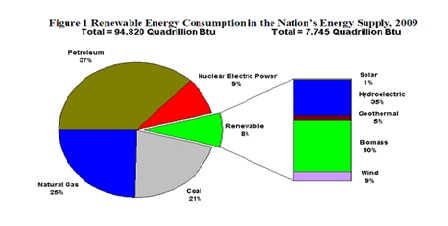
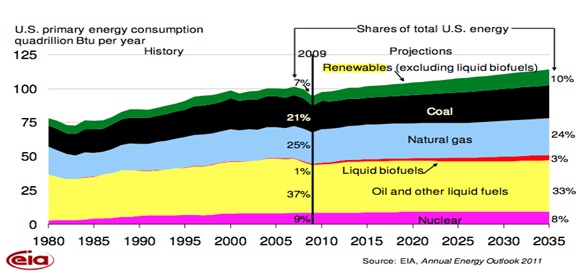
ISSUE OVERVIEW Non-carbon-based energy sources are referred to as Alternative Energy Sources. Examples include wind, solar, nuclear, hydroelectric, geothermal energy and biofuels (ethanol, biodiesel, biomethane etc). Biofuels are the types of fuels derived from biomass (crops grown to be further burnt to generate heat and power), agricultural and municipal biodegradable waste. There are several reasons for all the interest in developing biofuels: growing costs of oil, natural gas and coal, America’s desire to reduce dependence on foreign fuel supplies, constantly increasing energy needs and environmental reasons (carbon dioxide emission reduction) are among them. Renewable energy takes only a small fraction of energy production in the US, and within it ethanol is the only renewable biofuel that is being produced in significant quantity to be a big part of American economy, which explains the focus of the research on this type of biofuels. Because ethanol is a substantial part of the domestic economy, providing noticeable amounts of alternative fuels compared to other renewables on the one hand, but requiring a lot of government support in the forms of subsidies, special tariffs and taking too many resources to produce fuel, conversation around biofuels remains highly controversial. Does ethanol reduce the dependence on foreign oil? Does it provide sufficient energy output for the energy being used to produce it? Does it reduce the global warming? These are the questions to be answered in order to assess ethanol’s efficiency. GOVERNMENT STIMULUS OF BIOFUEL INDUSTRY Farmers, ethanol producers and employees of ethanol business argue that production of bio fuels should be subsidized by the government and expanded. According to them biofuels reduce the dependence on foreign oil controlled by OPEC. They believe that ethanol, biodiesel and other bio fuels are the viable answer to the global problem of the green house effect, which is caused by carbon offset. Biofuels is a completely renewable energy source, since biomass can be grown all the time. Economists assert growing crops and building ethanol plants creates jobs and improves the economy. In a global picture, supporters of bio fuels always point to the successful example of Brazil, which significantly reduced its reliance on oil by launching the program of fuel independence in 1970. Currently, Brazilian automobiles consume more ethanol than gasoline and more than 90 percent of the vehicles manufactured in Brazil run on bio fuel. (Regalado, 46). Government assistance to ethanol through subsidies, tariffs and legislation requiring a minimum of 10% ethanol to be added to gasoline raises the question about viability of biofuels, and ethanol in particular as an energy source. Critics protest the use of legislation to secure the production of ethanol, as they believe it is against free market principals and if this source is sustainable, it shouldn’t require government support to successfully position itself in the energy market. Advocates of ethanol argue that a very small portion of subsidies for renewable energy sources are actually directed to support biofuel production, and that the majority of the financial resources are being distributed between nuclear, solar, wind, hydroelectric energy sources. BIOFUELS AND GLOBAL WARMING Opponents of bio fuels argue that producing ethanol, as well as burning it results in carbon dioxide emissions, and this outweighs the benefit of “growing fuel” that supposed to absorb carbon from atmosphere during the growth process. Burning biofuels, like traditional ethanol, biodiesel and methane results in carbon dioxide being released into the atmosphere. However, in the case of ethanol and biodiesel, the net carbon pollution remains very small because during the next growth cycle vast quantities of carbon dioxide are being consumed in a process called photosynthesis (Hinman, par. 10). BIOFUEL’S ENERGY BALANCE The question about efficiency of ethanol as biofuel arose after decades of continuous growth of the corn-based ethanol industry. Currently 21 states produce corn based ethanol that is being added to gasoline and used in vehicles. From the image below it is clearly evident that oil and other carbon fuels still remain a leading energy source in the US, and even projected growth is not going to change this situation dramatically, however it will improve the versatility of the energy sources available. Figure 2. EIA Chart: “Renewables grow rapidly, but fossil fuels still provide 78 percent of U.S. energy use in 2035” (compared with 84 percent in 2009)
|
Carl E. Schoder in his article “A Convenient Truth About Clean Energy” as a supporter of solar power asserts that whenever you have to convert one type of energy into another type during the process of transformation, you lose the energy, and this leads to inefficiency of the energy source (25). Eventually it takes more energy to produce ethanol, than the output of energy it provides. For example, with coal based electricity plants some of the heat energy is being lost during the burning of fuels and not all of it is being converted into electricity during the process. This happens with the most types of energy sources, including biofuels. Another writer, Geoffrey Norman, in his article “Corn Conspiracy” strongly appeals to the reader’s feelings of frustration with the vehicles that won’t start because gas is being diluted with poorly combusting ethanol: “The ethanol program has resulted in …lower mileage in automobiles, and damage to older and smaller internal combustion engines” (29). When diluted with ethanol gasoline has reduced fuel efficiency due to ethanol’s low fuel capacity, because it provides about 2/3 of energy produced by burning gasoline and may even be corrosive for older cars (Smith, p. A1). BIOFUELS AND FOOD CRISIS Probably one of the greatest public concerns about growing crops for fuel is that it takes away the agricultural lands which could be used for growing food crops and therefore contributes to food shortage and high food prices (Searchinger, p.A19). Producing corn for fuel, instead of food creates an artificial increase of corn price per bushel and since corn is a big part of livestock nutrition, it becomes more expensive for farmers to feed the animals and eventually increases prices for meat. Agriculturists and environmentalists believe that production of biofuels, corn-based ethanol in particular, gradually leads to the world food crisis due to the growing demand for ethanol competing with increasing demand on food sources. According to Tim Searchinger “Governments worldwide seek to triple production of biofuels by 2020, and that implies more moderately high prices after good growing years and soaring prices after bad ones”(p. A21). His point of view demonstrates the opinion of those, who believe that we shouldn’t promote the fuels that take away from the food agricultural sector. Instead it would be more beneficial to expand the types of biofuels that have no impact on food production, such as biomethane, an alternative to natural gas, extracted from municipal garbage, sewage waste and any organic biodegradable waste. The greatest negative effect of ethanol production on food supply is experienced by African countries, where fertile lands are being used by foreign investors from developed countries to meet growing demands for food and biomass products. (Baldauf, par. 52). On the one hand it creates jobs in developing African countries which provides revenue flow into the domestic economy. On the other hand, these countries are forced to import most of their food, whereas they could have grown food crops and support their needs. Supporters of biofuels believe that in order not to interfere with food crop production, new and more efficient biofuels should be given support from the government. Cellulosic biomass (wood chips and other plants) is the most abundant one, and includes agricultural and forest wastes, municipal solid wastes, and industrial wastes. Using this waste does not affect the production of grains. (Hinman, par. 23). NEW GENERATION BIOFUELS - ALGAE On the other side of the argument there are those who believe in the success of biofuels, especially a new generation of bio fuel which requires the infrastructure for successful development – algae. The potential of algae will be uncovered in terms of its minimal impact on environment and food crops production. The U.S. Navy is investing into algae biomass, and has started filling the tanks of their ships with biodiesel (Dearen, par.8). Fermenting bioengineered algae has no impact on food availability as it uses lands not suitable for agriculture for growing algae. According to Dearen’s interview with Deputy Assistant Secretary of the U.S. Navy for Energy, Tom Hicks, “Fuels made from algae oil burn cleaner than fossil fuels and require no drilling to acquire, which means fewer greenhouse gas emissions from the beginning to the end of the fuel's life cycle” (Dearen, par.12).
Algae produce more biomass than any other source. It’s energy efficiency is 10 times greater than that of a traditional biomass. Because it produces oil rather than sugar, the oils are fermented to produce alcohol. During the process of fermentation, no carbon is being emitted into atmosphere, as opposed to sugar cane and corn based production of biofuels. Another great advantage of the algae is that it can use carbon dioxide from the oil refineries as a fertilizer for its growth. CONCLUSION An increase in energy demand worldwide and in America requires innovation and exploration to find the best alternatives to fossil fuels. Biofuels, as one of the alternative renewable energy sources has its own advantages and disadvantages due to its complex nature and relationship with economy, environment and politics locally and in the global arena. The research presented suggests that biofuels have the potential in the future to not only enhance, but replace traditional energy sources. The future seams to belong to the next generation alternative fuels.
WORK CITED To find the citations of sources and images used in the report please navigate to this link
Return to the Table of Contents
|